Trying to choose between Palm Coast and Flagler Beach can feel like comparing two great versions of coastal Florida living. You might want a quiet, suburban base with more home choices, or a walkable surf town near the sand. The right fit depends on how you plan to live, work, and play each day. In this guide, you’ll get a clear side‑by‑side of housing, beach and boating access, commute, and practical costs so you can decide with confidence. Let’s dive in.
Quick vibe check
Palm Coast at a glance
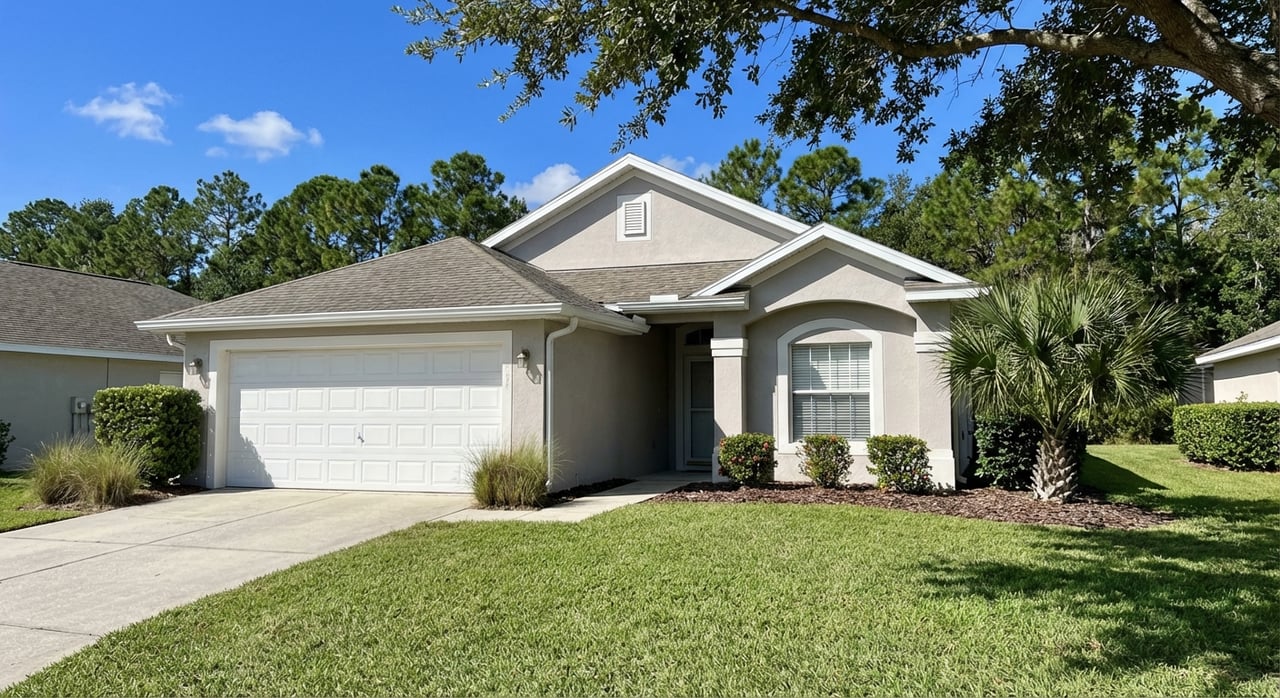
Palm Coast is larger and more suburban. You get a wide selection of single‑family homes, planned communities, and newer construction. Neighborhoods are mostly car‑oriented, yet you still find parks and trails. If you want everyday convenience and options across price points, Palm Coast delivers.
Flagler Beach at a glance
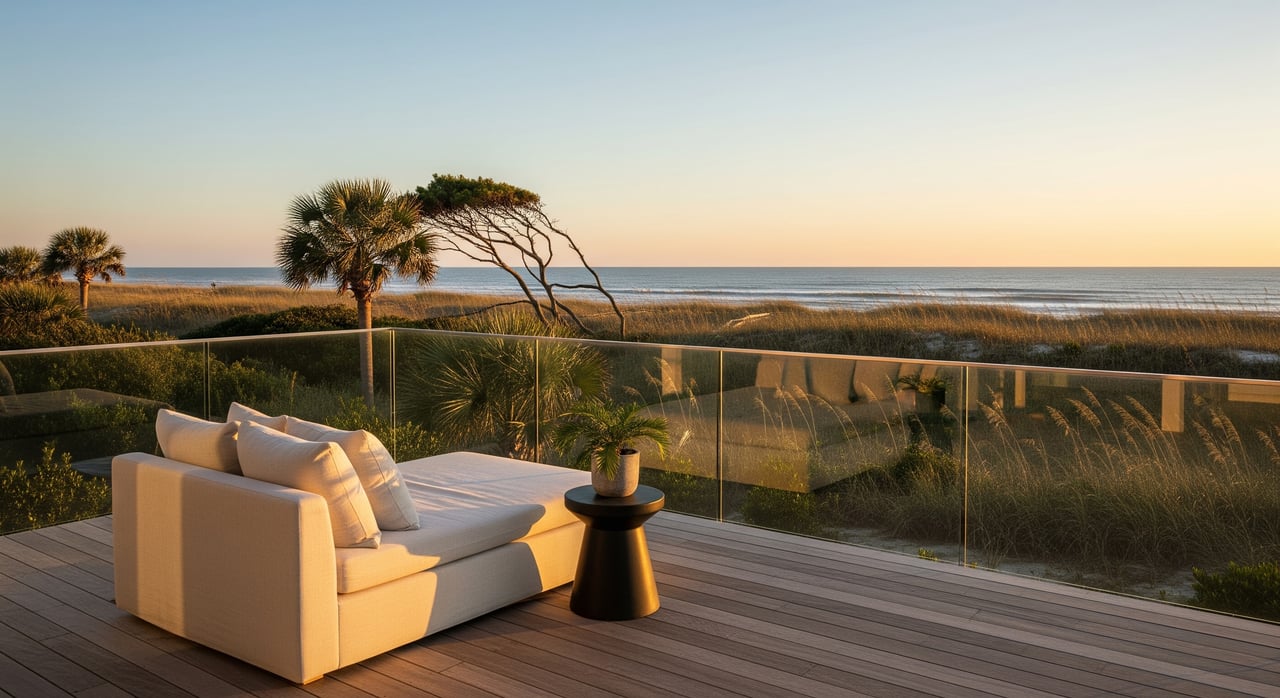
Flagler Beach is smaller and more compact along the ocean. You can walk to the beach, restaurants, and shops from many homes. The vibe is casual with a surf and arts influence. If you want a beach‑centered lifestyle and a second‑home feel, Flagler Beach stands out.
Overlap you should know
Both towns share the same county, climate, and access to the Intracoastal Waterway and the Atlantic. You can boat, fish, and enjoy coastal parks from either location. The real difference is how close you want to be to the ocean and how you prefer to move through your day.
Housing and neighborhoods
What you will find in Palm Coast
Palm Coast offers a large inventory of single‑family homes in master‑planned and gated communities. You also find townhomes and condos, often near golf or waterways. Because of its size and growth, Palm Coast usually has more new construction and more variety in lot sizes and floor plans. If you need options, this is the broader market.
What you will find in Flagler Beach
Flagler Beach has a smaller stock of homes. You will see classic beach cottages, some newer rebuilds, and low‑rise oceanfront condos. Lots tend to be smaller and homes are closer to the ocean. New construction is more limited and tends to be infill. If you want to be steps from the sand, this is where you look.
HOA and rental factors
- Palm Coast has many communities with HOAs. Dues and rules vary by neighborhood, especially in gated areas or communities with pools and private amenities.
- Flagler Beach has fewer large HOAs overall, but many condos have associations with their own rules. Short‑term rentals are common near the beach, yet city rules and condo bylaws can limit or permit them. Always review the current municipal code and the specific HOA or condo documents.
Financing and insurance reminders
Near‑beach and oceanfront homes can have different lending requirements due to flood and wind exposure. Condos and smaller associations may have stricter documentation needs for FHA or VA loans. Insurance can also differ, especially for flood and wind coverage. Work with local lenders and insurance pros who understand coastal underwriting in Flagler County.
Beach, boating, and the outdoors
Beach access differences
- Flagler Beach fronts the Atlantic and has a public beachfront and a municipal pier. Many streets lead directly to the sand, and daily errands can be walkable near the core.
- Palm Coast has public beach access points and private oceanfront communities, but neighborhoods are more spread out. Many homes focus on canal and Intracoastal living rather than direct surf access.
If walking to the beach is your top priority, you will likely lean toward Flagler Beach. If you prefer a canal home with a dock or a larger lot inland, Palm Coast offers more choices.
Boating access
Both areas connect to the Intracoastal Waterway with channels to the Atlantic. If boating is central to your lifestyle, confirm the details for each property:
- Water depth at the dock and tidal impact
- Canal condition, no‑wake zones, and bridge clearance
- Availability of public boat ramps or nearby marinas
- Deeded slips or private dock rights in the HOA
These details can change from street to street, so a property‑level check is key.
Parks, preserves, and wildlife
Flagler County features nearby preserves, estuaries, and state parks. These areas shape your views, access, and stewardship obligations. Beaches may include protected nesting areas for sea turtles. If a natural setting is part of your buying criteria, note any conservation buffers and rules for shoreline use.
Getting around and daily life
Commute and roads
- I‑95 is the main north‑south artery through Palm Coast for trips to St. Augustine, Jacksonville, and Daytona Beach.
- A1A runs along the coast through Flagler Beach and connects to nearby beach towns.
Typical drive times by car can range as follows, depending on your exact starting point, traffic, and time of day:
- St. Augustine: about 25 to 40 minutes
- Daytona Beach: about 30 to 45 minutes
- Downtown Jacksonville: about 60 to 90 minutes
Public transit options are limited in Flagler County, so most residents drive. Flagler Beach’s core is walkable, while Palm Coast’s neighborhoods are generally car‑oriented with a growing trail network.
Services and schools
Palm Coast’s size means more immediate options for clinics, urgent care, and retail. Major hospitals serving the area are in or near Palm Coast and St. Augustine. Both towns are in the Flagler County Public Schools system, and school assignments depend on your address. Always check the district’s current boundary maps before you buy.
Shopping and dining
- Palm Coast features larger shopping centers and national retailers. Day‑to‑day errands are straightforward.
- Flagler Beach offers independent shops and beachside dining concentrated near the oceanfront. It is more casual and tourist‑friendly, with a local flair.
Risks and due diligence
Flood zones and insurance
Coastal properties are more likely to sit in FEMA flood zones, especially near the ocean in Flagler Beach. Parts of Palm Coast also lie in special flood hazard areas, including canal‑front sections. Your action plan should include:
- Reviewing FEMA flood maps for the exact property
- Getting sample flood and wind insurance quotes early
- Evaluating mitigation features like roof straps, shutters, and elevated construction
Short‑term rental rules and zoning
Short‑term rental rules vary by municipality and can change. HOAs and condo associations may set their own rental durations, guest policies, and use rules. If you plan to rent your property, gather the current municipal code sections and HOA documents before you make an offer.
Taxes, utilities, and permitting
Florida has no state income tax. Your ongoing housing costs will center on property taxes, insurance, HOA dues if applicable, and maintenance. For each property, confirm:
- Recent tax bills and current millage rates from the county
- Water, sewer, and electric connections, or any septic system
- Permit history and current code requirements for coastal construction
- Dock or seawall permits if you plan to build or repair waterfront improvements
Buyer profiles: Which fits you
Full‑time resident who wants convenience
If you want more home choices, newer construction, and easier access to shopping and services, look to Palm Coast. You will likely find a better match for everyday routines and budgets with broader inventory.
Second‑home buyer who wants walkable beach living
If your dream is to park the car, walk to coffee, and be on the sand in minutes, focus on Flagler Beach. Inventory is tighter, but the beachfront lifestyle is the draw.
Boater or waterfront lifestyle seeker
If you plan to keep a boat at home, compare canal depths, bridge clearances, and dock rights. Palm Coast’s canal and Intracoastal neighborhoods offer many options, while Flagler Beach pairs beach access with smaller‑scale waterfront pockets.
Investor exploring rental potential
If you are considering short‑term rentals, Flagler Beach has an active beach‑area market, yet rules can be strict at the condo and city level. Palm Coast HOAs may limit rentals or set minimum terms. Do a document‑first review to align your plan with local rules.
How to compare homes side by side
Step‑by‑step checklist
- Define your top three lifestyle priorities, such as walkability, dock access, or community amenities.
- Set your must‑have specs, including beds, baths, lot size, and HOA preference.
- Map your daily routes to I‑95 or A1A and run drive‑time checks at your commute hours.
- Pull a current 30‑ or 90‑day snapshot of median sale price and active inventory for both towns from the MLS.
- Review FEMA flood maps for each shortlist address and request sample insurance quotes.
- If relevant, gather HOA or condo documents for rules, fees, and reserves.
- Confirm utilities and any special permitting needs for docks, seawalls, or renovations.
- Walk the neighborhood at different times to gauge noise, traffic, and beach or boat access.
Bottom line
Choose Palm Coast if you want more home choices, suburban convenience, and Intracoastal or canal‑front options. Choose Flagler Beach if you want a walkable, beach‑first lifestyle in a smaller coastal town. Both offer the Florida coastal experience. Your best fit comes down to how you plan to live, the rules that shape rentals or renovations, and your comfort with flood and wind exposure.
When you are ready to compare specific homes and neighborhoods, connect with a coastal specialist who understands flood zones, HOA and condo governance, and waterfront permitting. Schedule a Free Consultation with Michael Fiscina to build a clear plan and move forward with confidence.
FAQs
What are the main lifestyle differences between Palm Coast and Flagler Beach?
- Palm Coast offers suburban convenience and variety, while Flagler Beach delivers a compact, walkable surf‑town feel close to the ocean.
How do commute options compare in Flagler County?
- I‑95 serves Palm Coast for regional trips, while A1A runs through Flagler Beach; typical drives range about 25–40 minutes to St. Augustine and 30–45 minutes to Daytona Beach.
Is flood insurance more common in Flagler Beach than Palm Coast?
- Many near‑ocean properties in Flagler Beach fall within FEMA flood zones, while Palm Coast has both inland areas with lower exposure and canal‑front areas with higher risk.
Are short‑term rentals allowed in both towns?
- Rules vary by municipality and HOA or condo, so you must review the current city code and association documents for the exact property.
Which area has more new construction and master‑planned communities?
- Palm Coast typically has more new construction and master‑planned options compared with the smaller, beach‑focused market in Flagler Beach.
Where will I find better walkability to the beach and restaurants?
- Flagler Beach has a compact oceanfront downtown with easy pedestrian access from many homes.